
What Are Pool Copings and Why Are They Important?
Updated: Jun 1
Swimming pools are often the focal point of an outdoor space, but achieving a beautiful and functional swimming pool involves much more than selecting the right tiles or surrounding paving. One of the most important yet frequently overlooked elements of pool design is the coping.
Pool copings provide the finishing edge around a swimming pool, creating a seamless transition between the pool structure and the surrounding landscape. While they contribute significantly to the visual appeal of a swimming pool, their role extends far beyond aesthetics.
From improving safety and protecting the pool structure to enhancing durability and creating a polished appearance, pool copings are an essential component of every well-designed swimming pool.
In this guide, we explore what pool copings are, why they are important and how to choose the right coping material for your project.

What Are Pool Copings?
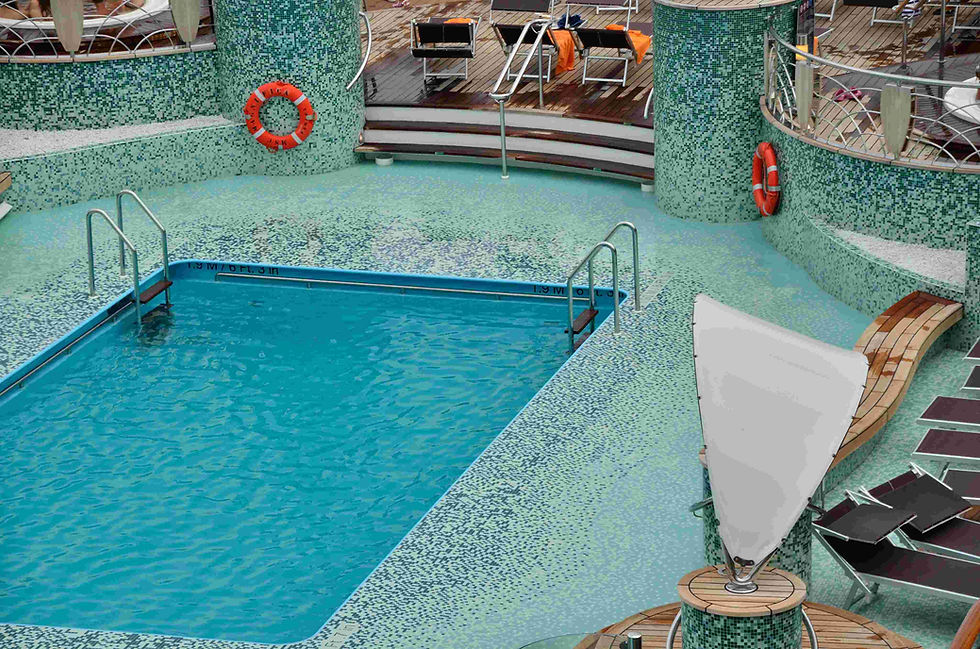
Pool copings are the stones, porcelain units or edging pieces installed around the perimeter of a swimming pool. They sit on top of the pool shell and form the border between the water and surrounding paving, decking or landscaping.
Their primary function is to create a finished edge while helping protect the structural integrity of the swimming pool.
Pool copings are available in a wide range of materials, colours and edge profiles, allowing homeowners and designers to create a pool area that complements the overall style of the property.
Quick Answer
Pool copings are protective edging materials installed around swimming pools to improve safety, protect the pool structure and create a visually finished appearance.
Why Are Pool Copings Important?
Many homeowners assume pool copings are purely decorative, but they actually perform several important functions.
Protecting the Pool Structure
One of the main roles of pool copings is to help protect the pool shell from water penetration.
Without adequate coping, water can seep behind the pool structure and contribute to long-term deterioration. Coping stones help direct water away from the pool while providing a protective barrier between the pool and surrounding surfaces.
Improving Safety Around the Pool
Swimming pool areas are naturally wet environments.
Pool copings provide a stable and often slip-resistant surface around the pool edge, helping reduce the risk of slips and falls.
Modern porcelain pool copings are particularly popular because they combine excellent grip with a clean contemporary appearance.
Creating a Finished Appearance
Pool copings frame the entire swimming pool and contribute significantly to the overall visual impression of the outdoor space.
Whether you prefer a modern architectural aesthetic or a timeless natural stone design, coping stones help create a polished and cohesive appearance.
Supporting Drainage
Quality pool copings help direct rainwater and splash water away from the pool.
This improves drainage management and helps protect surrounding paving and landscaping from excessive moisture exposure.
What Are the Best Materials for Pool Copings?
Choosing the right material is one of the most important decisions when designing a swimming pool.
The ideal coping material should offer:
Durability
Slip resistance
Weather resistance
Visual appeal
Long-term value
Porcelain has become one of the most popular pool coping materials in the UK.
Benefits include:
Frost resistance
Stain resistance
Low maintenance
Consistent appearance
UV stability
Slip-resistant finishes
Porcelain pool copings are particularly well suited to contemporary outdoor environments where clean lines and minimal maintenance are priorities.
Natural stone remains a timeless choice for luxury swimming pool projects.
Popular options include:
Egyptian limestone
Travertine
Sandstone
Granite
Benefits include:
Unique natural character
Architectural appeal
Organic textures
Premium appearance
Natural stone works particularly well in traditional landscapes and resort-style garden designs.
Natural Stone Pool Copings
Natural stone remains a timeless choice for luxury swimming pool projects.
Popular options include:
Egyptian limestone
Travertine
Sandstone
Granite
Benefits include:
Unique natural character
Architectural appeal
Organic textures
Premium appearance
Natural stone works particularly well in traditional landscapes and resort-style garden designs.
Related: Egyptian Limestone
Porcelain vs Natural Stone Pool Copings
One of the most common questions homeowners ask is whether porcelain or natural stone is the better option.
Choose Porcelain If You Want:
Low maintenance
Modern aesthetics
Superior stain resistance
Frost resistance
Consistent colour
Choose Natural Stone If You Want:
Authentic natural materials
Unique variation
Traditional elegance
Organic textures
Timeless appeal
Both materials offer excellent performance when professionally installed and properly maintained.
Popular Pool Coping Styles
Bullnose Pool Copings
A rounded edge profile that creates a softer and more traditional appearance.
Square Edge Pool Copings
Popular in modern architectural designs where clean lines are preferred.
Drop Edge Pool Copings
Often used to create a seamless contemporary finish around luxury swimming
pools.
Matching Copings and Paving
Many homeowners choose coping stones that coordinate with surrounding paving to create a cohesive outdoor environment.

How to Choose the Right Pool Copings
Several factors should influence your decision.
Design Style
Contemporary pools often pair well with porcelain coping stones and large-format paving.
Traditional properties frequently benefit from natural stone materials such as limestone.
Maintenance Requirements
Porcelain generally requires less ongoing maintenance than many natural stone alternatives.
Budget
Material selection should balance appearance, durability and long-term value.
Safety
Slip resistance should always be considered when selecting materials for poolside environments.
Frequently Asked Questions
Are pool copings necessary?
Yes. Pool copings help protect the pool structure, improve safety and create a finished appearance.
What is the best material for pool copings?
Porcelain and natural stone are widely considered the best options due to their durability and visual appeal.
Are porcelain pool copings slippery?
High-quality porcelain pool copings are manufactured with slip-resistant finishes suitable for wet environments.
Do pool copings need sealing?
Porcelain typically does not require sealing. Some natural stone products may benefit from sealing.
How long do pool copings last?
Professionally installed pool copings can provide decades of performance when properly maintained.
Can pool copings withstand UK weather?
Yes. Quality porcelain and natural stone pool copings are designed to perform in varying weather conditions.
Final Thoughts
Pool copings are far more than a decorative finishing detail. They play a vital role in protecting the pool structure, improving safety and enhancing the overall appearance of the outdoor environment.
Whether you choose premium porcelain pool copings or elegant natural stone, selecting high-quality materials can significantly improve both the functionality and visual appeal of your swimming pool project.
Explore Source Ceramics' collection of premium pool copings, porcelain paving and Egyptian limestone to create a swimming pool environment designed for beauty, durability and long-term enjoyment.


Comments